What Camera Should I Use? A Fine Art Photographer's Answer
Short answer: the one you already have. But if you want to know what actually decides the quality of a fine art print, it is not the number on the box. It is the size of the sensor.
Sensor size first, megapixels second
Megapixels have been thrown around for a very long time, and they do matter, but they come second. The biggest factor in the quality of an image is sensor size.
Fine art is very different from a billboard or most other uses of a photograph, because it is seen up close. It works the same way film did: the larger the film, the higher the quality of the final print, because you are not enlarging it as many times. A bigger sensor is a bigger piece of film.
What I shoot on
I currently shoot everything on a 102 megapixel medium format sensor. For a reasonable budget, it is the closest I can get to the quality of proper film.
I use the Fujifilm GFX series, which to me has some of the best color reproduction out there. The only ones I would put ahead of it are Phase One and Hasselblad, but for my wildlife work a Hasselblad is just not an appropriate camera. My backup is a full frame Nikon D850.
Sensor size changes your lenses too
Full frame is the standard size you will see most often, and lens focal lengths are written in full frame terms. A 35mm f/1.4 is a 35mm lens as a full frame camera sees it.
Change the sensor size and the same lens frames the world differently:
- Crop sensor (APS-C): a smaller sensor, about a 1.5x crop. A 35mm lens frames roughly like a 52mm.
- Medium format (like the GFX): a larger sensor, about 0.79x. A 35mm lens frames roughly like a 28mm.
So sensor size does not only decide the quality of the image. It decides how wide or how tight every lens you own will look.
When the camera stops mattering
If you are printing 3 feet or smaller, you really will not see much difference between cameras. I have turned an iPhone photograph into a very nice 3 foot print. It is not something I want to do or like to do, but with modern software it is possible.
An older DSLR is still a great camera
The best camera comes down to what you have and what you are comfortable using. Most people will never use 95% of what their camera can do.
Pick up a ten year old DSLR (a digital single-lens reflex, the kind with a mirror inside): my D850, an older Canon like the 5D Mark III, even the Rebel series. You will get just as good an image as you would from a brand new Nikon Z9 or Sony A7R V, because image sensor quality has stayed largely the same.
There are differences. High ISO performance, which is how well the camera handles low light, has improved, along with a few other things. Focus speed and frame rate have changed a lot. But in terms of reproduction quality, I see no difference between my Nikon D850 and the newest flagship from Sony.
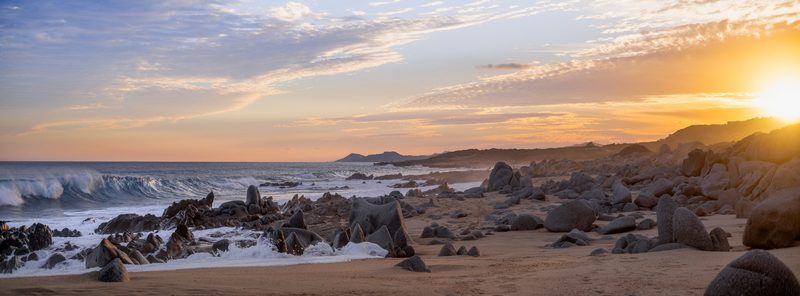 Tidal Storm
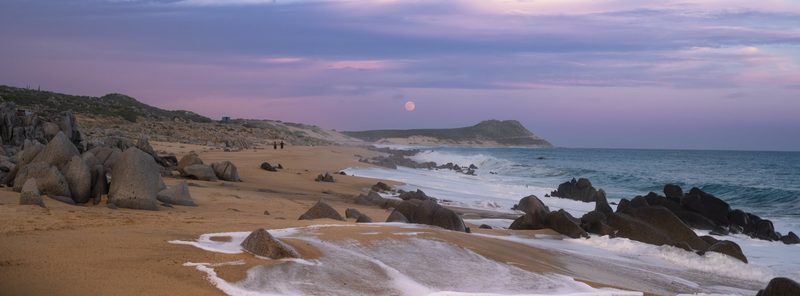 Hunter's Moon
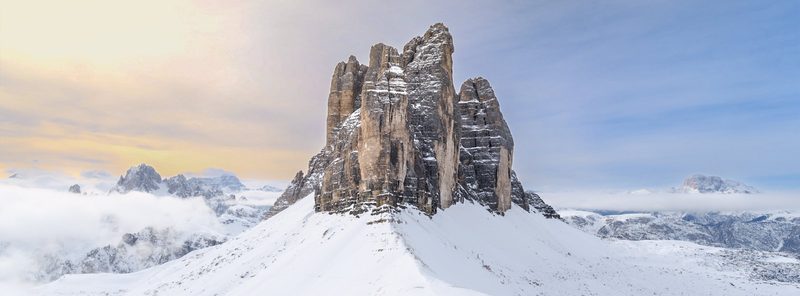 Stone Sentinels
Go out and shoot
Whatever you have, go out and use it. You can make an absolutely incredible image with it. I use what I use because of the size I print at and the quality I want on the wall.
If you want to see where that ends up, here is how the prints are made, and how acrylic, metal and canvas compare.
 Read nextAcrylic, Metal or Canvas: Which Fine Art Print Is Right for Your Room?3 min read
The collection
Every photograph is a signed limited edition, printed to order in acrylic, metal or canvas.
See the collection →Try one on your wall