
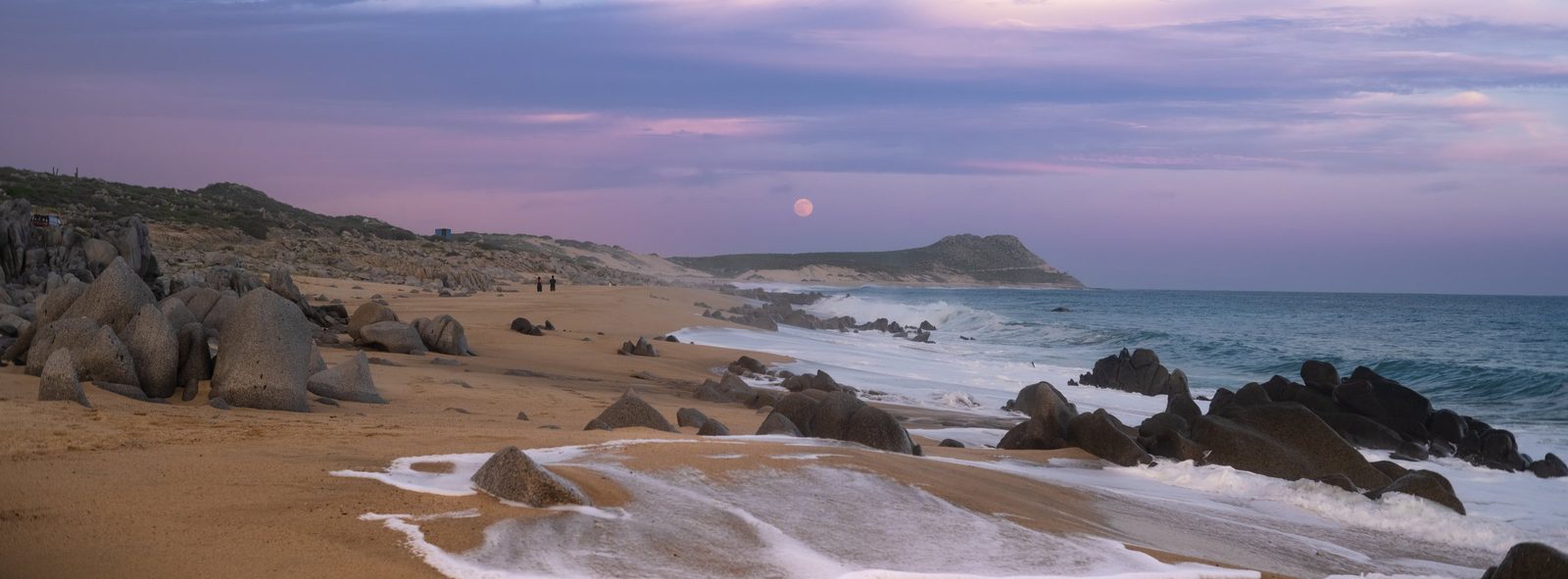
Why I Chose Fujifilm: From Nikon to Medium Format
My first job, through high school and college, was at a high-end camera shop. I got to test every manufacturer there was: Canon, Nikon, Sony, Leica, Hasselblad, Fujifilm. So when people ask why I shoot Fuji, the answer comes from having had all of them in my hands.
Starting on Nikon
When I started shooting, my instructor at school always recommended Nikon. That is what he shot with, and for a very long time Nikon made the best cameras in the world. Sorry, Canon and Sony fans, but Nikon ruled everything. There is a reason it went to space on multiple occasions, and a reason most professionals at the Olympics used to carry one. Their glass was incredible.
Bigger prints, bigger sensor
As I got more proficient, my prints got larger and larger, and that meant a larger sensor and more megapixels for more clarity. I moved to full frame, to the Nikon D850.
At the time, the D850 was the best DSLR ever made. The only thing that came close was Canon's 5D Mark IV. Nothing else could touch those two. But a DSLR is the older type of camera, and mirrorless has now completely taken over. (If you are wondering what that difference means for you, I wrote about it in what camera should I use.)
What I ruled out
When I looked at upgrading from the D850, I went through every option:
- Sony: the color balance is very neutral, and to me boring. The bodies also do not fit my hands. They feel like little toys.
- Canon: Canon pushes too much magenta. Plenty of portrait photographers love that look, but I shoot RAW most of the time and I do not like the JPEGs out of a Canon for wildlife or portraiture.
- Nikon: I saw no increase in picture quality, and they dropped the ball at the start of the mirrorless race. With the Z8 and Z9 they are 100% in the competition now, but those early years were rough.
- Leica: sorry, Leica fans, but I find the cameras to be mostly hype. The lenses are absolutely incredible, but every Leica lens and body is significantly overpriced. It is like buying a Gucci handbag and expecting it to be worth the price. You are paying for the name.
That left Hasselblad and Fujifilm.
Hasselblad: the colors I wanted, the camera I could not use
Short of a $40,000 camera system, Hasselblad's color is undeniably the best. The reproduction is beautiful, the lenses are tack sharp, and it is an absolute joy to use.
But four years ago, the options were incredibly slow, had no video, and had no weatherproofing I could rely on. For everything I do, that made them unsuitable. It was heartbreaking, because I wanted that sensor in the field.
Why Fujifilm
The Fujifilm GFX line uses the same size of medium format sensor as Hasselblad's X cameras. Fuji tunes the color a little differently, and I will admit not quite as well. But the JPEG profiles are incredible, and a lot of the time I get exactly the image I want straight from the camera.
In fact, over half of the images in my collection are completely unedited, straight out of camera, because I love the Fuji colors that much.
I shoot the original GFX 100S. Eventually I will probably move up to the GFX 100S II, or, if weatherproofing comes to Hasselblad, I may move over to that side. For now, it is the perfect camera body for me.
It took twelve years to get from my very first camera to a medium format Fuji.
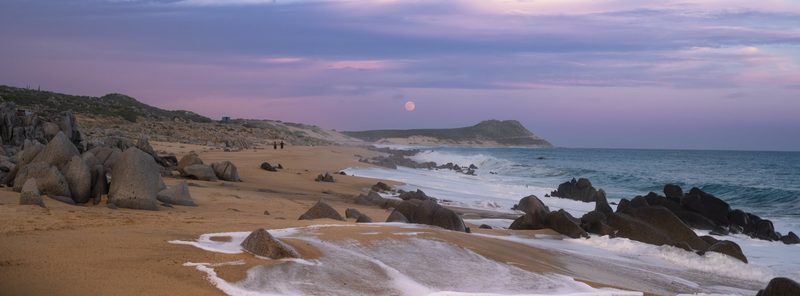 Hunter's Moon
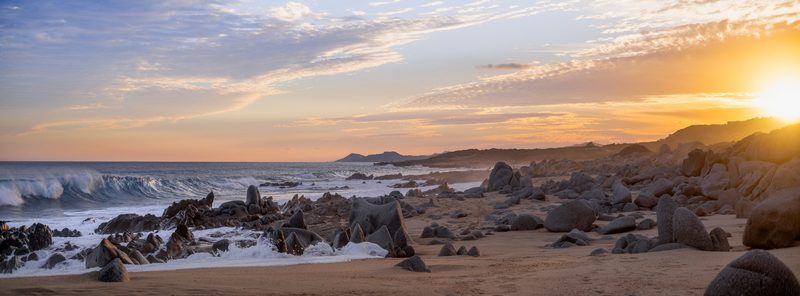 Tidal Storm
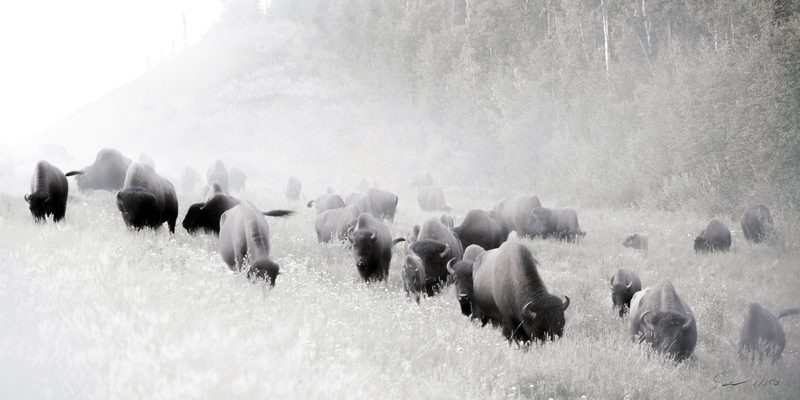 Read nextWhat Is Aperture in Photography? A Plain-English Guide3 min read
The collection
Every photograph is a signed limited edition, printed to order in acrylic, metal or canvas.
See the collection →Try one on your wall